
The Allure of Gambling
The allure of gambling in casinos can be traced to a variety of psychological factors that draw individuals into these vibrant environments. One primary element is the excitement associated with risk-taking, especially when considering options like australian online casino games. The thrill of potentially winning large sums of money creates a sense of euphoria that can be addictive. This emotional rush, paired with the anticipation of a win, engages the brain’s reward system, leading to increased dopamine levels. This neurochemical response can induce a sense of well-being and pleasure, making gamblers feel good, even if just temporarily. The combination of risk and reward creates a unique cocktail of emotions that can lead to a cycle of repeated behavior.
Another compelling aspect of gambling is the illusion of control. Gamblers often believe they possess a certain skill or strategy that can influence the outcome of games, despite the underlying randomness of these activities. This belief provides a sense of empowerment, leading people to engage more frequently in gambling behaviors. For example, a player may feel that they have mastered the art of blackjack, which boosts their confidence and encourages them to wager larger sums, further entrenching them in the casino experience. This overestimation of personal agency can be a double-edged sword, as it may lead to more significant financial losses.
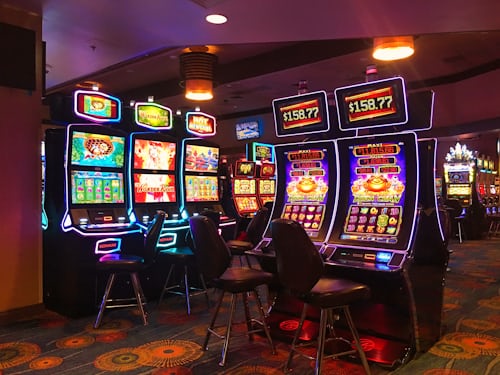
Additionally, the sensory-rich environment of casinos plays a significant role in attracting individuals. The sounds of slot machines, the dazzling lights, and vibrant décor create a stimulating atmosphere. This engaging environment can distract from the harsh realities of life, offering an escape into a world where anything seems possible. For many, this temporary displacement from their everyday concerns is a powerful motivator to return to gambling, reinforcing a cycle of behavior that can lead to compulsive gambling in extreme cases. The immersive nature of casinos is designed intentionally to keep players engaged, making it difficult for them to leave.
The Role of Social Interaction
Social interaction is another critical component of the gambling experience, enhancing the appeal of casinos. Many individuals are drawn to the communal aspect of gambling, where they can share the highs and lows of their experiences with others. The camaraderie built during shared gaming experiences can amplify the enjoyment, making each win feel more significant and each loss less painful. This social reinforcement can also contribute to a gambler’s persistence, as the support of friends or fellow players tends to foster a sense of belonging and collective excitement. The shared experience can create bonds that make the gambling experience more memorable and enjoyable.
Furthermore, social norms and peer pressure can influence gambling behavior significantly. Players often feel compelled to engage more after witnessing others partake in high-stakes games. This phenomenon can lead to an escalation of gambling behavior, as individuals try to keep up with their peers or mirror their actions. The desire to fit in and gain social approval can push gamblers to take risks they may not have otherwise considered, further entwining them in the casino culture. This aspect of social dynamics emphasizes how community can impact individual decision-making, often leading to choices that may not align with personal financial goals.
Interestingly, the psychology of social interaction in casinos extends beyond just immediate relationships. Online casinos have also harnessed this social dynamic through chat features, live dealer settings, and interactive gaming options. Gamblers can connect with others from around the world, sharing strategies and celebrating wins virtually. This blending of social interaction with gaming encourages an ongoing engagement with gambling activities, showcasing how deeply ingrained the need for connection is within the gambling psyche. The online environment often replicates the social aspects of traditional casinos, allowing for community building even in a digital space.
The Impact of Cognitive Biases
Cognitive biases play a crucial role in shaping gambling behaviors and decision-making processes within casinos. One of the most prevalent biases is the gambler’s fallacy, which is the erroneous belief that past events influence future outcomes in games of chance. For example, if a player observes a roulette wheel land on red several times in a row, they may feel that black is “due” to occur. This fallacy can lead to increased betting and risk-taking, as gamblers attempt to capitalize on what they perceive as patterns, despite mathematical facts suggesting otherwise. This cognitive distortion can result in a significant misallocation of resources and increased losses over time.
Another significant cognitive bias affecting gamblers is the overestimation of their abilities. Players often believe that they can outsmart the house edge through strategies or systems, overlooking the fact that casinos are designed to be profitable in the long run. This overconfidence can drive individuals to gamble larger sums or engage more frequently, resulting in potentially harmful financial consequences. Such cognitive distortions create a cycle of miscalculation that traps players in increasingly risky behavior. The belief that one can beat the odds can be deeply ingrained, leading to repeated failures and financial ruin.
Finally, the concept of “near misses” also influences gambling psychology. In many games, players may experience outcomes that are almost wins, such as landing two symbols on a slot machine instead of three. This fosters a sense of hope and motivates continued play, as gamblers believe they are closer to achieving success. This psychological mechanism can effectively maintain engagement, leading players to gamble longer than intended, thereby increasing the likelihood of losses over time. The emotional high associated with near misses can be deceptive, encouraging players to chase their losses and continue gambling in hopes of that elusive win.
The Consequences of Gambling Addiction
The psychological aspects of gambling carry significant consequences, particularly when addiction becomes a factor. Gambling addiction, or compulsive gambling, is characterized by an uncontrollable urge to gamble despite negative repercussions. This condition often results from the interplay of psychological triggers and cognitive biases discussed previously. The thrill of winning, combined with the inability to recognize destructive patterns, can lead to severe personal, financial, and social consequences for individuals and their loved ones. The addiction can spiral out of control, affecting not just the gambler but also their family and friends.

Furthermore, addiction to gambling can cause profound emotional distress. Gamblers may experience anxiety, depression, and mood swings as they navigate their gambling habits. The pressure of financial losses can exacerbate these feelings, leading to a harmful cycle where individuals gamble to escape their emotional pain, only to find themselves sinking deeper into despair. Such emotional turmoil can strain relationships, as secrecy and deception often accompany a gambling addiction. The breakdown of trust can lead to isolation, further compounding the emotional challenges faced by the individual.
In response to the growing awareness of gambling addiction, many casinos have begun implementing responsible gaming initiatives aimed at educating players about the risks involved and providing resources for help. These programs often include self-exclusion options, allowing individuals to limit their access to gambling facilities. While these measures represent a step toward addressing addiction, ongoing efforts are crucial to mitigating the psychological impact of gambling on individuals and society at large. Community support and outreach programs can offer additional avenues for recovery and education, helping individuals reclaim control over their lives.
Understanding the Gambling Experience Through Research
Research into the psychology of gambling continues to reveal vital insights that can enhance our understanding of this complex human behavior. Studies examining brain activity during gambling tasks have highlighted the neural circuits involved in decision-making and reward processing. Such findings demonstrate how emotional responses can override rational thought, influencing gambling behaviors in predictable ways. By understanding these neurological mechanisms, researchers can begin to develop more effective interventions for problem gamblers. This scientific approach can lead to better support systems for those struggling with addiction.
Additionally, research into the demographics of gamblers provides essential data for creating targeted educational programs. By identifying at-risk populations, such as young adults or individuals with a history of addiction, interventions can be tailored to address their specific vulnerabilities. This strategic approach can help prevent the onset of gambling problems and promote healthier gaming behaviors, ultimately fostering a more responsible gambling culture. Educational initiatives that resonate with specific demographics can empower individuals to make informed choices about their gambling habits.
Finally, ongoing discourse on the ethical implications of gambling practices in casinos remains crucial. As the gambling landscape evolves with technology and the rise of online platforms, understanding the nuances of player psychology is essential for creating fair and equitable gaming environments. This exploration of gambling psychology underscores the importance of responsible practices, benefiting both the industry and the individuals it serves. By prioritizing ethical considerations, the gambling industry can foster a safe and enjoyable environment for all participants.