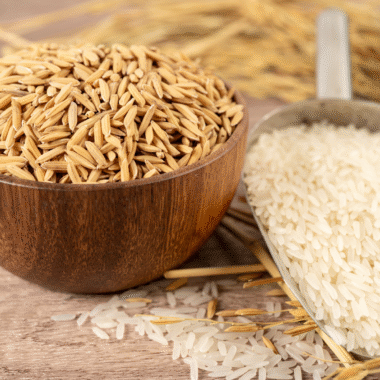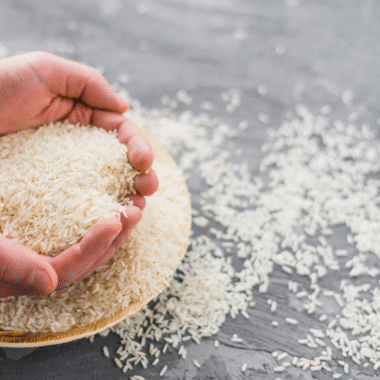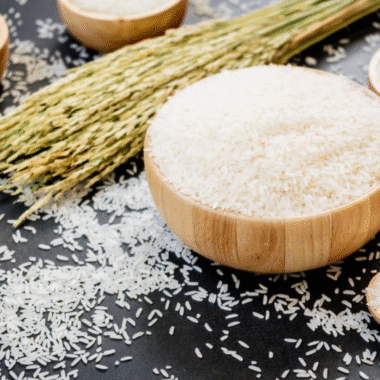
Kerala’s farming heritage is deeply rooted in sustainability and respect for nature. Long before chemical farming became the norm, local farmers practiced techniques that maintained soil fertility, conserved water, and encouraged biodiversity. Crop rotation was common, allowing the land to rest and regenerate between harvests. Natural irrigation systems made use of seasonal rainwater, and mixed cropping protected against pest outbreaks without the need for synthetic chemicals.
Palakkad, with its fertile plains, became known for producing some of the finest rice in India. Farmers understood that healthy soil produced healthy crops, and they relied on organic manure, compost, and green cover crops to feed the land. These methods not only ensured nutritious yields but also kept the environment in balance — something that modern intensive farming often disrupts.
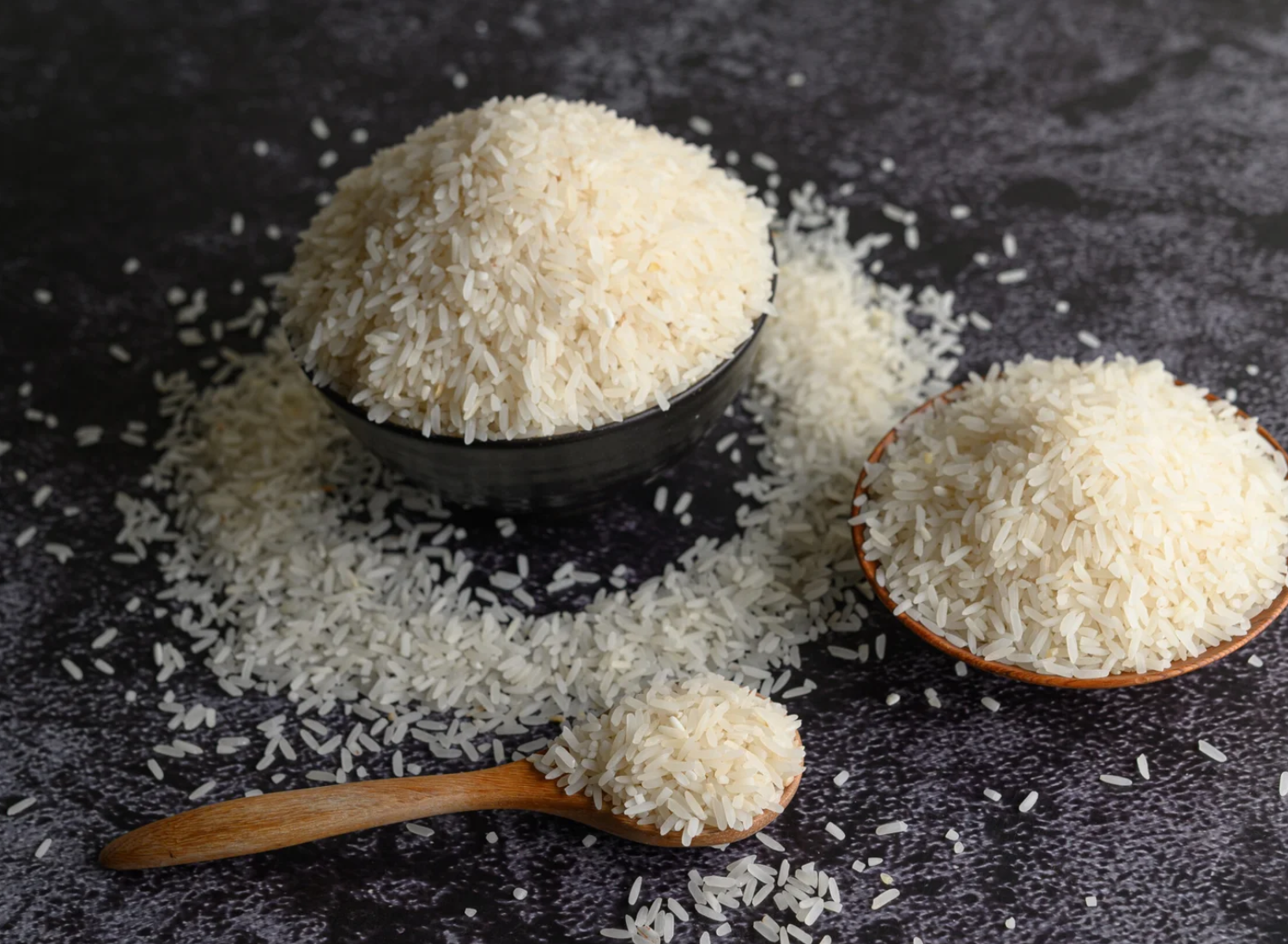
At Satwam, we honor these traditions. Our rice is cultivated using the same time-tested practices that prioritize the land’s long-term health over short-term gains. This approach protects the ecosystem, preserves local rice varieties, and produces grains with superior taste and nutritional value. In supporting Satwam, you are supporting a farming philosophy that treats the soil not as a resource to be exploited, but as a living system to be nurtured — an ancient wisdom that is more relevant today than ever.